
Top 7 Things Property Buyers Should Check Before Purchasing, Including Rodent Removal Sydney

Buying a home is emotional, but the best outcomes usually come from a calm, methodical checklist. Before they sign anything, property buyers should confirm the building is sound, the paperwork stacks up, and the day to day livability is what it seems at the inspection.
This guide covers seven practical checks Australians can make early, so they can negotiate with confidence and avoid expensive surprises after settlement.
What does the building and pest report really reveal?
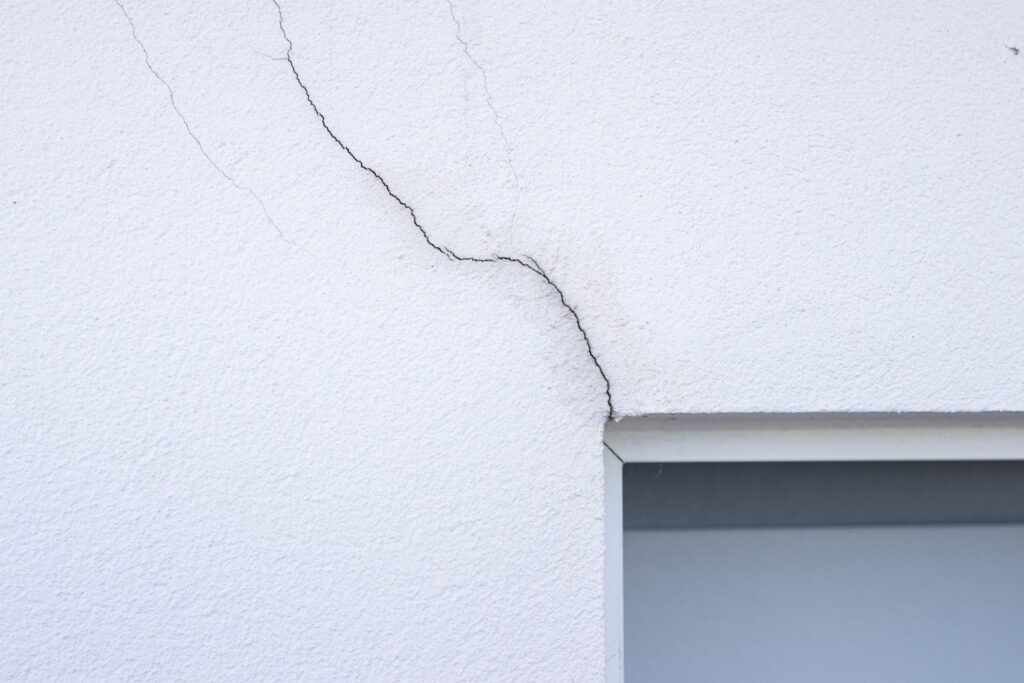
A proper inspection report shows whether the home has hidden defects that photos and quick walk throughs miss. It should clearly flag moisture, timber damage, termites, movement, drainage issues, and safety concerns, plus what needs urgent repair versus monitoring.
They should use an independent inspector who is licensed and insured, and they should read the “limitations” section closely. If parts of the property were inaccessible, they can ask for a follow up inspection before the cooling off period ends.
Are there clear signs the property has a rodent problem?
Rodents can damage wiring, insulation, stored items, and even plumbing, and they can create ongoing hygiene issues. Buyers should look for droppings in roof voids, cupboards, garages, and behind appliances, plus gnaw marks, scratched skirting, and nesting material.
They should listen for scratching in walls at dusk, check for gaps around pipes, doors, and eaves, and inspect the roofline for entry points. If there is any doubt, arranging rodent removal Sydney support early can clarify how serious the issue is and what prevention will cost.

How safe is the roof, gutters, and stormwater system?
The roof and drainage setup determine whether the home stays dry through heavy rain and wild weather. Buyers should check for sagging rooflines, rusted sheets, lifted tiles, cracked pointing, blocked gutters, and downpipes that discharge too close to the slab.
They can also look for water staining in eaves and ceilings, and pooling around the house after rain. If the property is in a flood prone suburb, they should ask for local council flood maps and factor insurance pricing into the budget.
Is the electrical and gas setup compliant and up to date?
Electrical issues can be costly and can also affect safety and insurance. Buyers should check the switchboard for modern circuit breakers and RCDs, ask about the age of wiring, and confirm recent work was done by licensed trades.
For gas, they should ask whether appliances have been serviced and whether there are any known leaks or compliance concerns. If the property shows rodent activity, they should be extra cautious, because chewed cables can be a real risk, and rodent removal Sydney follow up may be part of making the home safe.
What does the contract and strata paperwork actually say?
Paperwork drives real world costs, especially for units, townhouses, and newer estates. Buyers should have a solicitor or conveyancer review the contract, inclusions, easements, special conditions, and any building warranty or compliance certificates.
For strata, they should review the strata report for sinking fund health, special levies, building defects, by laws, and disputes. If minutes mention recurring pest issues, they should treat that as a signal to price in preventative work, including rodent removal Sydney if the building is in an area with ongoing infestations.
Is the location practical for daily life, not just on inspection day?
A street can feel quiet at 11 am on a Saturday and completely different at school pickup or late evening. Buyers should test drive the commute, check public transport reliability, and walk the area at different times to assess noise, lighting, and general activity.
They should also confirm mobile coverage, NBN availability, and parking realities. In Sydney, they may want to note nearby food venues, waste areas, and drainage lines, because these can influence pest pressure and make rodent removal Sydney a future maintenance item rather than a one off job.
What will ongoing maintenance and prevention actually cost?
Some homes are inexpensive to buy but expensive to run, especially older stock with deferred upkeep. Buyers should estimate costs for painting, roof repairs, tree management, plumbing upgrades, and pest proofing, then compare that with their cash buffer after settlement.
Preventative measures matter because pests often return if entry points remain. A realistic plan may include sealing gaps, improving subfloor ventilation, storing food correctly, and scheduling periodic inspections. If the property has any history of rodents, budgeting for rodent removal Sydney and proofing work can protect both the building and the buyers’ peace of mind.
Which checks should buyers prioritise before they make an offer?
They should prioritise structural risk, legal risk, and health or safety risk first, because those are the hardest to fix after purchase. A sensible order is building and pest inspection, contract review, and then targeted specialist checks like electrical, drainage, or roof plumbing.
If there are indicators of rodents, they should treat that as both a damage and safety category, not just a nuisance. Getting an assessment and quote for rodent removal Sydney can also strengthen their negotiation position, because it converts a vague concern into a clear cost and scope.
Final checklist buyers can use at the inspection
They can use a simple list to keep emotions out of the decision:
- Ask for the most recent building and pest report, or book their own
- Check rooflines, gutters, downpipes, and water staining
- Open cupboards and inspect the garage and roof access for droppings or gnawing
- Confirm switchboard condition and safety switches
- Review contract, easements, and strata minutes for recurring issues
- Test the area at different times for noise and parking
- Price ongoing maintenance, including proofing and rodent removal Sydney if relevant
Handled well, these checks help property buyers avoid the common traps and purchase with fewer surprises, especially when pests and building condition are assessed as carefully as the floorplan and finishes.