
Comparing Pre-Purchase Checklists: Why Termite Sydney Shouldn’t Be an Afterthought
Buying a home in Australia comes with plenty of checklists, from finance approvals to final inspections. What many buyers still miss is that pests are not a “later” problem, especially in warmer, humid coastal markets. This is where termite sydney matters, because a purchase can look perfect on paper while hiding expensive timber damage.
In practice, a pre purchase checklist is only as strong as its blind spots. If they treat pests as optional, they risk inheriting repairs that are hard to see, hard to price, and hard to negotiate after settlement.
What do most buyers include in a pre-purchase checklist?
Most buyers focus on finance first, then the contract, then building condition. They typically include loan pre-approval, conveyancing review, building inspection, insurance quotes, and a final walk-through.
Many checklists place pest inspection as a small line item, or bundle it without confirming what the inspection actually covers. That’s why termite sydney should be written into the checklist early, not added when time is tight.
Why do building inspections often miss termite-related risk?
A building inspection is valuable, but it is not always designed to pinpoint active termite activity or conditions that attract them. Inspectors may note visible timber issues, moisture, or poor ventilation, yet they can be limited by access, stored items, and finished surfaces.
Because termite damage can sit behind walls, under floors, or within roof voids, buyers who rely on a building report alone can underestimate risk. For termite sydney, a dedicated pest inspection is the more direct tool.
What is the difference between a building report and a pest inspection?
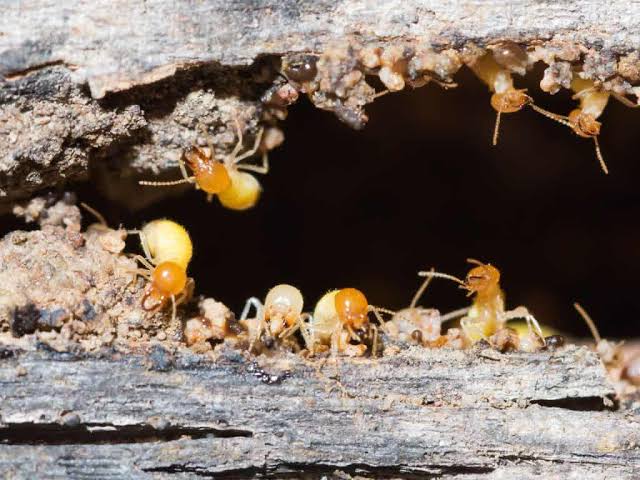
A building report generally comments on the structure, safety, and observable defects. A pest inspection focuses on evidence of timber pests, conducive conditions, and likely entry points, using methods aligned to pest detection.
They complement each other, but they are not interchangeable. When buyers ask for both as separate deliverables, they reduce ambiguity. In markets where termite sydney is a known concern, that separation can materially change decisions.
How common are termites in Australian property markets?
Termites are widespread across many Australian regions, especially where warmth and moisture support colonies. While activity varies by suburb and property type, the broader risk is national, not niche.
In NSW coastal areas and parts of Greater Sydney, conditions can be favourable for termites year-round. That background is exactly why termite sydney should be treated as standard due diligence rather than a special case.
Why can “cosmetic” renovations hide termite damage?
Fresh paint, new skirting, and updated flooring can improve presentation while concealing older timber issues. Some repairs may cover symptoms without addressing the cause, such as moisture ingress or subfloor ventilation problems.
Because buyers often judge condition by finishes during open homes, hidden timber damage is easy to miss. A focused inspection approach is critical, and termite sydney should be assessed alongside the renovation story.
When should they schedule inspections to avoid losing leverage?
They should schedule building and pest inspections as early as the contract process allows, ideally before becoming emotionally committed. Waiting until just before cooling-off ends can compress the timeline and limit options.
Early scheduling also improves negotiation power because findings can be addressed while terms are still flexible. In termite sydney scenarios, time matters, since follow-up checks or specialist quotes may be needed.
What should a termite-focused checklist include before an offer?
They should add practical checks that help an inspector and reduce surprises. This includes asking about prior termite treatments, requesting receipts or warranty details, and noting any timber structures like decks, pergolas, fences, or sleepers.
They should also flag high-risk property features such as poor drainage, garden beds against walls, and subfloor clutter. In termite sydney properties, these details can influence both the risk rating and the recommended next steps.
How do strata apartments differ from houses for termite risk?
Apartments can still face termite risk, especially in ground-floor lots, older blocks, or where common property includes gardens and timber structures. However, access to subfloors and roof voids may differ, and responsibility may sit with the owners corporation for certain areas.
They should review strata records for pest treatments and building maintenance history. Even then, termite sydney is not “house-only,” and buyers should not assume strata removes the risk.
What red flags should they look for at inspections and open homes?
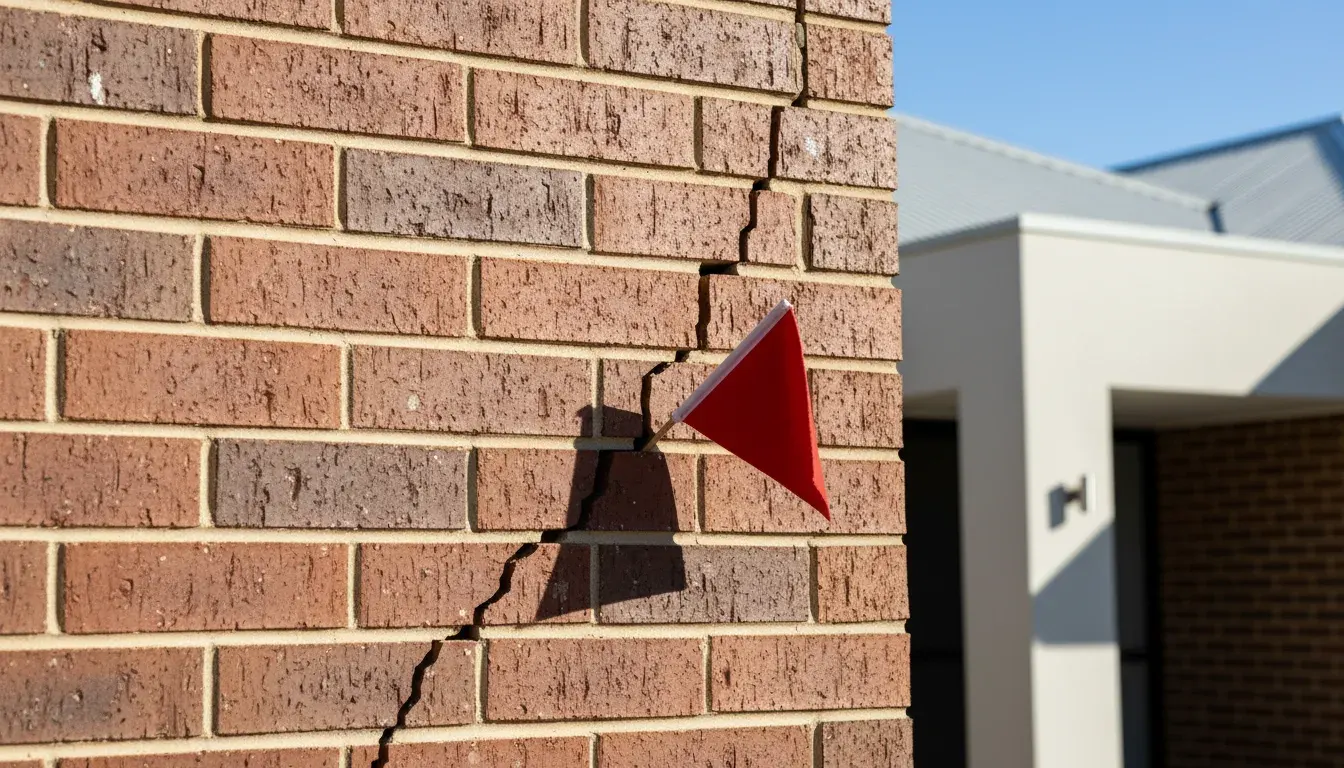
They should look for bubbling paint, warped skirting, soft timber, unexplained cracks, tight doors, and signs of moisture such as musty smells or staining. They should also note any DIY repairs around wet areas, balconies, and external joinery.
Outside, they should check for soil-to-timber contact, dense landscaping against walls, and leaking downpipes. These cues do not confirm termites, but they justify prioritising termite sydney due diligence.
How does moisture management affect termite likelihood?
Moisture is a major driver because termites seek humid environments and can exploit damp timbers. Poor drainage, blocked gutters, leaking showers, and insufficient subfloor ventilation can all create conducive conditions.
They should treat moisture notes in reports as more than general maintenance advice. In termite sydney assessments, moisture issues often sit at the centre of risk reduction and prevention planning.
What questions should they ask the inspector to make the report useful?
They should ask what areas were not accessible, what evidence was observed, and what conditions increased risk. They should also ask whether further invasive inspection is recommended and what actions are prioritised.
They should request photos and clear location references so they can discuss issues with builders or pest managers. For termite sydney, clarity matters because the next step may involve specialist treatment advice or repair estimates.
How should they compare reports across different properties?
They should compare scope first, not just the summary. Two reports can look similar while having different access levels, different tools used, and different clarity on limitations.
They should also compare risk factors such as drainage, ventilation, landscaping, and timber additions, because these can change ongoing costs. When termite sydney is assessed consistently across properties, comparisons become fair and actionable.
What role do warranties, treatment histories, and certificates play?
Documentation can help, but it should not replace inspection. A prior treatment record may indicate responsible maintenance, or it may signal a known history of infestation, depending on context and frequency.
They should verify the provider, dates, warranty terms, and whether ongoing inspections are required to keep the warranty valid. In termite sydney decisions, paperwork is useful when it is current, specific, and supported by present-day findings.
How can termite findings affect price negotiations and contract terms?
If a report identifies activity, damage, or high-risk conditions, buyers may seek a price reduction, request repairs, or negotiate specific conditions before settlement. They might also request additional inspections or specialist quotes as part of due diligence.
They should keep negotiations evidence-based, using report excerpts and clear cost estimates. In termite sydney contexts, the goal is to convert uncertainty into agreed terms, not to rely on verbal assurances.
What are the risks of treating termite checks as a “post-settlement” job?
Post-settlement discovery can remove leverage and accelerate costs. Once they own the property, they carry responsibility for repairs, treatment scheduling, and any knock-on impacts, such as replacing structural timbers or rectifying moisture sources.
They also risk missing the chance to walk away during cooling-off or negotiate adjustments. That is why termite sydney should be treated like finance and conveyancing: a core pre-purchase step.
How should they build a practical pre-purchase checklist that includes termites?
They should write a checklist that forces action, not one that simply lists intentions. It should schedule inspections early, define the exact reports required, and include follow-up steps like quotes for repairs or treatment if risk is flagged.
A simple structure is: contract review, building inspection, pest inspection, moisture and drainage review, document checks, and negotiation plan. In that framework, termite sydney is not an add-on, it is a decision point.
What is the best way to prioritise next steps if a report flags risk?
They should start with severity: active termites and significant damage come first, then conditions that increase likelihood. Next, they should confirm scope by arranging a specialist assessment if recommended, and then seek cost estimates that reflect realistic access and repair complexity.
They should also weigh risk against their renovation capacity and budget. For termite sydney, the best decisions are made when risk is priced, timed, and documented before they commit.