
When Do You Need a Tree Branch Cutter Service?
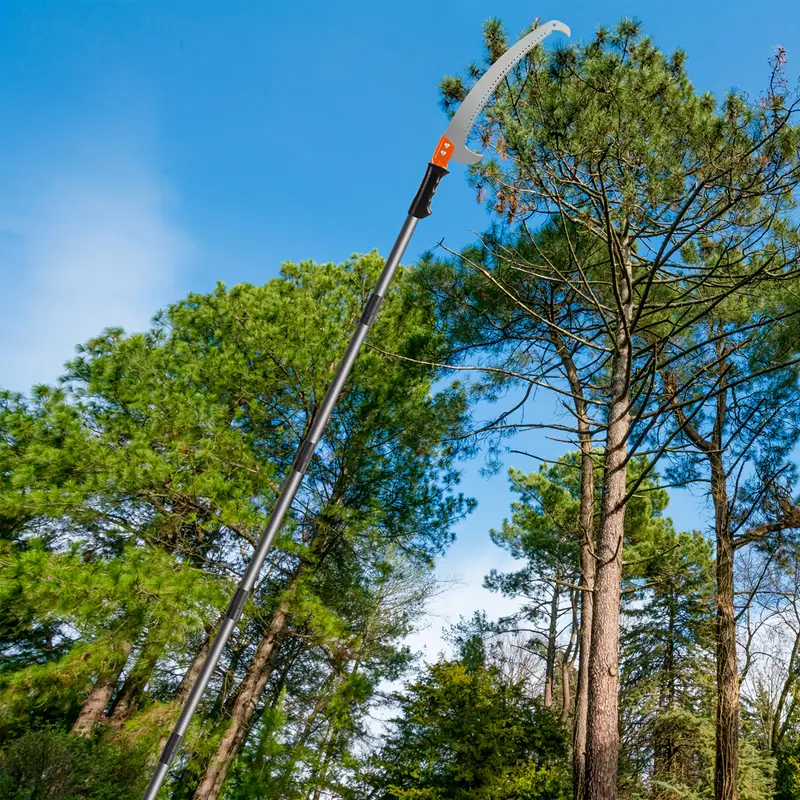
A tree branch cutter service helps keep trees safe, healthy, and shaped for the space they’re in. It can also prevent costly damage to roofs, cars, fences, and power lines.
When is a branch an immediate safety risk?
They need a service urgently when a branch is cracked, hanging, split at the joint, or has suddenly started leaning. In these situations, a professional tree branch cutter service service may be required, as these are common signs a limb is already failing—even if it has not hit the ground yet.
If there’s recent storm damage, strong winds, or heavy snow load, it’s often smarter to have a professional remove hazards before the next weather event finishes the job.
When do overgrown branches start damaging property?
They should call a branch cutter service when limbs rub against the roof, scrape gutters, or touch siding and windows. Constant contact can wear materials down and create entry points for water and pests.
Branches over driveways and parking spots are another common trigger. Even small falling limbs can dent vehicles, and debris buildup can create slippery areas and blocked drains.
When do branches threaten power lines or public areas?
They need help when branches are growing toward overhead lines or hanging over sidewalks, streets, or neighboring yards. This is not just a convenience issue. It can become a liability problem if someone gets hurt or property is damaged.
Work near utility lines can also be dangerous and may involve local rules. A professional service typically knows how to handle clearance safely and when to coordinate with the utility company.
When do diseased or dying branches need to be removed?
They should consider a service when branches look dead, brittle, or unusually bare compared to the rest of the canopy. Fungal growth, peeling bark, visible cavities, or sawdust-like material near the trunk can also suggest decline.
Deadwood removal is not only about appearance. Dead limbs fall more easily, and pruning can reduce the spread of disease by removing compromised sections early.
When does pruning improve the tree’s health and structure?
They may need a branch cutter service when the tree has crossing branches, crowded interior growth, or a canopy that is so dense it blocks airflow and light. Poor airflow can encourage pests and fungal issues.
Structural pruning also matters when young trees develop weak angles or multiple competing leaders. Early correction can prevent future failures and reduce the need for aggressive cutting later.
When do low branches interfere with daily use of the yard?
They should call a service when branches block walkways, hang too low over patios, or make mowing and maintenance frustrating. Low limbs can also obstruct visibility near driveways, which can become a safety issue.
A clean clearance trim can make the space usable again without removing the whole tree. It’s often the simplest way to make a yard feel larger and safer.
When is it better to hire a service instead of doing it themselves?
They usually need a professional when the work involves height, heavy limbs, or anything near a roof, fence, glass, or power lines. Even a “small” branch can weigh far more than expected, and cutting changes how it falls.
They should also hire help when multiple branches need shaping. Poor cuts can stress the tree, invite decay, and lead to weak regrowth that breaks again in a few years.
When do neighbors or local rules make a service necessary?
They may need a branch cutter service when branches cross property lines, drop debris into a neighbor’s yard, or create disputes about clearance and safety. A professional can document the work and keep the job clean and contained.
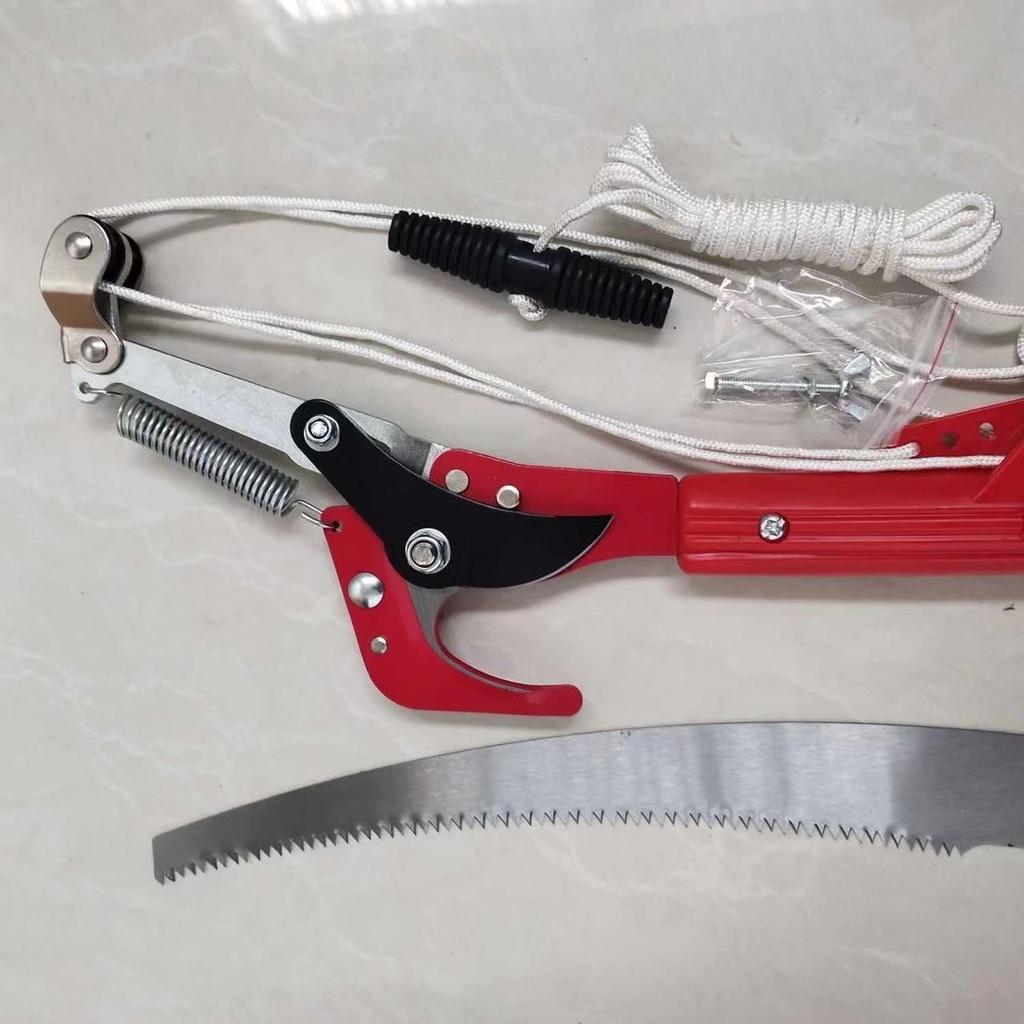
Some areas also have regulations for protected trees, street trees, or pruning near rights-of-way. A service can help ensure the work stays compliant and avoids fines or required rework. Click here to get about tree root removal: why it’s essential after tree cutting.
What should they expect during a typical branch cutting visit?
They can expect an initial assessment, a plan for which limbs to remove, and a discussion of the goals, such as safety clearance, health pruning, or shaping. A reputable service will avoid excessive cutting that harms the tree.
Cleanup should be part of the plan. They should confirm whether debris hauling, chipping, and stump-level brush removal are included, and whether they’ll receive guidance on follow-up care.
How can they decide if it’s time right now?
If there’s a visible hazard, property contact, line interference, or clear signs of decline, they likely need a tree branch cutter service now, not later. Waiting often turns a manageable trim into an emergency removal.
When in doubt, they can schedule an inspection and ask for a pruning plan that prioritizes safety first, health second, and appearance last. That order usually leads to the best long-term outcome.
FAQs (Frequently Asked Questions)
When is a tree branch considered an immediate safety risk requiring urgent cutting?
A branch is an immediate safety risk if it is cracked, hanging, split at the joint, or has suddenly started leaning. These signs indicate the limb is failing and needs urgent removal to prevent accidents, especially after storm damage, strong winds, or heavy snow loads.
How do overgrown branches cause damage to property and when should I call a branch cutter service?
Overgrown branches that rub against roofs, scrape gutters, or touch siding and windows can wear down materials and create entry points for water and pests. Branches over driveways or parking spots can dent vehicles and cause slippery debris buildup. You should call a branch cutter service as soon as you notice such contact to prevent costly damage.
Why is it important to remove branches threatening power lines or public areas?
Branches growing toward overhead power lines or hanging over sidewalks, streets, or neighboring yards pose safety hazards and liability risks if someone gets hurt or property is damaged. Professional services are necessary because work near utility lines requires specialized knowledge and coordination with utility companies to ensure safe clearance.
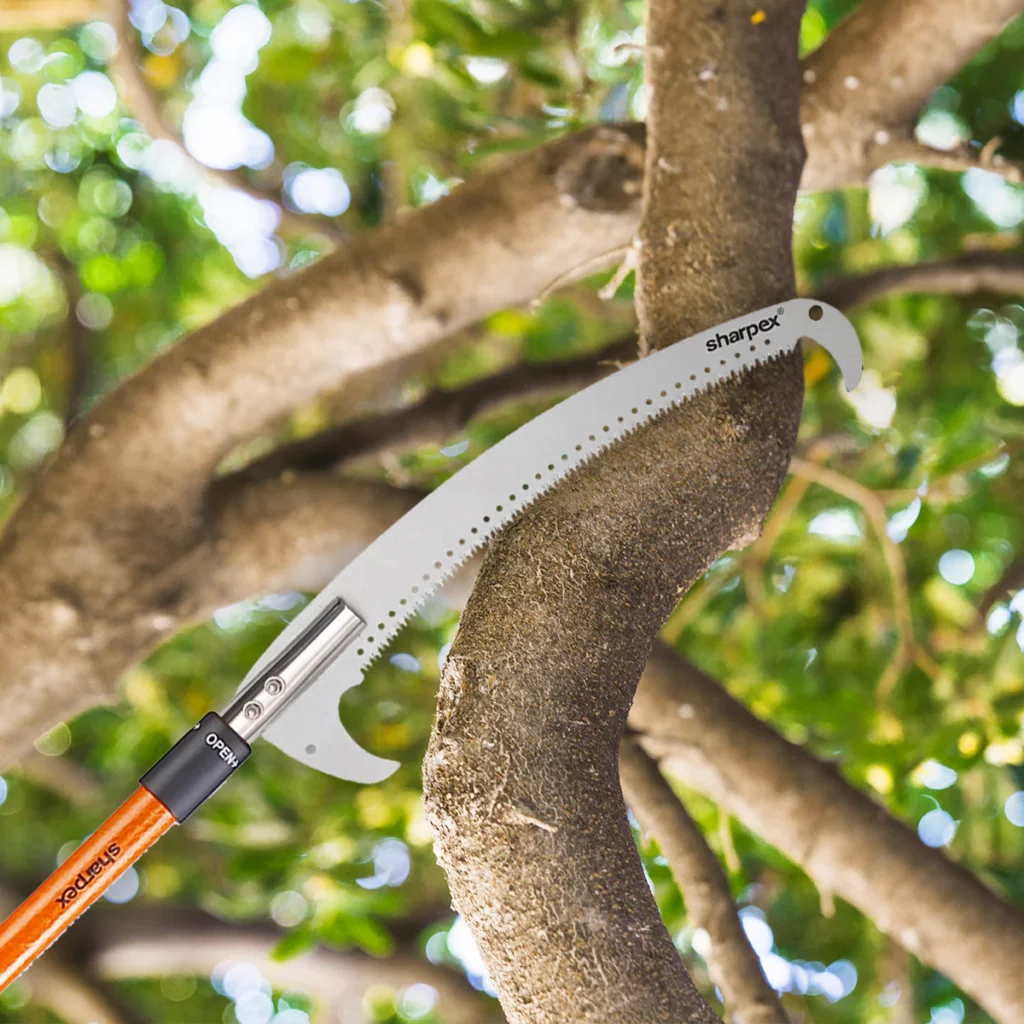
When should diseased or dying branches be removed from trees?
Diseased or dying branches showing signs like dead, brittle limbs, unusual bare spots, fungal growth, peeling bark, visible cavities, or sawdust-like material near the trunk should be removed promptly. Deadwood removal reduces the risk of falling limbs and helps prevent disease spread by pruning compromised sections early.
How does pruning improve a tree’s health and structure?
Pruning removes crossing branches, crowded interior growth, and dense canopies that block airflow and light—conditions that encourage pests and fungal issues. Structural pruning in young trees corrects weak angles or competing leaders early on, preventing future failures and reducing the need for aggressive cutting later.
When is it better to hire a professional tree branch cutter service instead of doing it yourself?
Hiring a professional is advisable when work involves height, heavy limbs, proximity to roofs, fences, glass, or power lines. Professionals have the expertise to manage how branches fall safely. They also ensure proper cuts that avoid stressing the tree or inviting decay, particularly when multiple branches require shaping.
Leave a Reply