
Tree Root Removal: Why It’s Essential After Tree Cutting
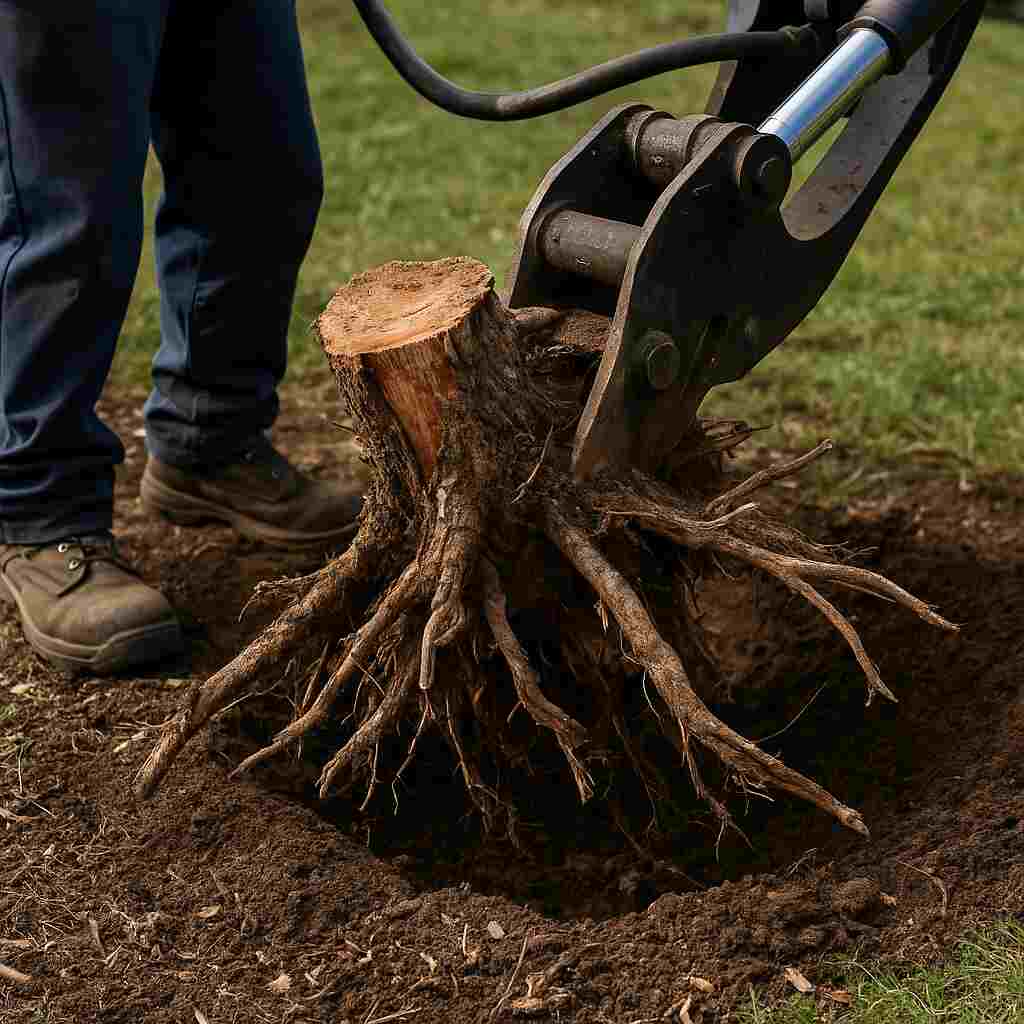
Why isn’t cutting the trunk enough?
Because the root system often survives long after the tree is gone. In many species, roots can stay active for months or even years, depending on moisture, soil conditions, and how the tree was cut. That leftover root mass also keeps occupying space underground, which affects planting, construction, and drainage.
What problems can leftover roots cause?
They can create both visible and hidden issues. In many cases, tree root removal is necessary because roots may heave soil, crack hardscapes, clog lines, or invite pests as the wood decays.
Common problems include:
- Uneven lawns and sinkholes as roots rot
- Damage to patios, driveways, and retaining walls
- Interference with new trees, gardens, or landscaping plans
- Increased risk of fungal growth and insect activity
Can roots keep damaging foundations and hardscapes?
Yes, especially if the tree was close to the home or paved areas. While most roots don’t “break through” solid concrete by force alone, they exploit weak points. They can expand into existing cracks, joints, and gaps, making small issues bigger over time.
If they need a stable base for a new patio or walkway, removing the roots helps prevent future settling and lifting.
Do leftover roots threaten plumbing and sewer lines?
They can, particularly if there are older pipes, clay lines, or small leaks. Roots are drawn to moisture and nutrients. Even after a tree is cut, roots may remain in and around lines, and new sprouts can keep feeding the system if the stump is alive.
Root removal is often recommended when a tree was near utility corridors or when a property has a history of slow drains and root intrusion.
Will the stump and roots attract pests and disease?
Often, yes. Decaying wood can become a habitat for termites, carpenter ants, beetles, and rodents. Fungal growth is also common around stumps and root zones, especially in damp or shaded areas.
Removing the stump and major roots reduces the decaying material that pests use for shelter and lowers the chance of disease spreading to nearby plants.
Can roots regrow or send up new shoots?
In many cases, they can. Some species are known for aggressive suckering, where new shoots emerge from roots even after the trunk is removed. That can lead to repeated sprout removal, herbicide use, or new growth in unwanted areas.
Root removal, or at least stump removal paired with targeted root management, helps prevent that cycle.
When is root removal most important?
It’s most important when they plan to build, replant, or regrade the area. If they’re installing a fence, pouring concrete, laying pavers, planting a garden, or leveling a yard, leftover roots can block progress and cause long-term instability.
It’s also important when the tree was close to structures, utilities, or property lines where underground spread is more likely to matter.
What are the main root removal options?
The right method depends on budget, access, and what they want the area to look like afterward.
Typical options include:
- Stump grinding: Removes the stump and surface roots, leaving deeper roots to decay naturally.
- Full root excavation: Physically removes larger roots, better for construction or replanting.
- Targeted root cutting: Cuts problem roots near hardscapes or utilities, often paired with barriers.
A professional usually recommends a mix based on site conditions and future plans.
Is stump grinding the same as removing roots?
Not exactly. Stump grinding removes the stump and some shallow roots, but it doesn’t pull out the entire root system. For many homeowners, grinding is enough to improve appearance and reduce regrowth risk. But if they need a clean base for building or planting, grinding alone may not solve the deeper issues.
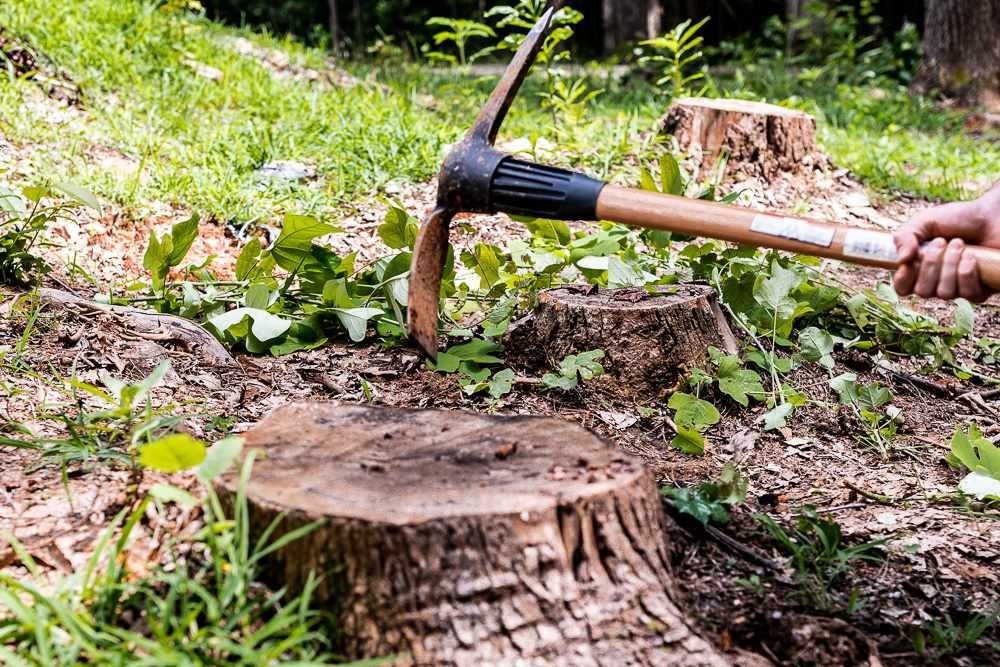
Should they do root removal immediately after tree cutting?
Usually, yes. Doing it soon makes the project simpler because the site is already set up for tree work, and they can avoid months of regrowth, settling, or pest activity. It also helps them restore the yard faster, especially if they want to reseed, sod, or landscape. Click here to get about when do you need a tree branch cutter service?
That said, timing should consider soil conditions and nearby utilities, since wet soil and tight access can complicate removal.
What should they expect after roots are removed?
They should expect some disruption, followed by a cleaner, more stable site. The area may need backfilling, grading, and soil improvement, especially if a large stump and major roots were removed.
Most projects end with:
- Fresh soil added and compacted
- Surface leveled for lawn or landscaping
- Recommendations for replanting timelines and spacing
How can they decide if root removal is worth it?
If they want fewer surprises later, root removal is usually worth it. The cost often pays back by preventing repairs, avoiding repeat sprout management, and making future landscaping or construction smoother.
A practical rule: if the tree was near something they care about, like a foundation, driveway, patio, or sewer line, removing the stump and managing the roots is the safer long-term choice.
FAQs (Frequently Asked Questions)
Why isn’t cutting down a tree trunk enough to prevent future problems?
Cutting the tree trunk alone isn’t sufficient because the root system often remains alive and active for months or even years after the tree is removed. These roots continue to occupy underground space, potentially affecting planting, construction, and drainage, and can cause ongoing issues if left untreated.
What kinds of problems can leftover tree roots cause in my yard?
Leftover roots can lead to various visible and hidden issues such as uneven lawns, sinkholes from rotting roots, damage to patios, driveways, retaining walls, interference with new landscaping plans, increased fungal growth, and attracting pests like termites and carpenter ants.
Can tree roots damage foundations, hardscapes, or plumbing systems?
Yes. Roots can exploit cracks or weak points in foundations and hardscapes like patios and driveways, causing them to crack or lift over time. They are also attracted to moisture in plumbing and sewer lines—especially older or damaged pipes—and can invade these systems, leading to blockages and damage.
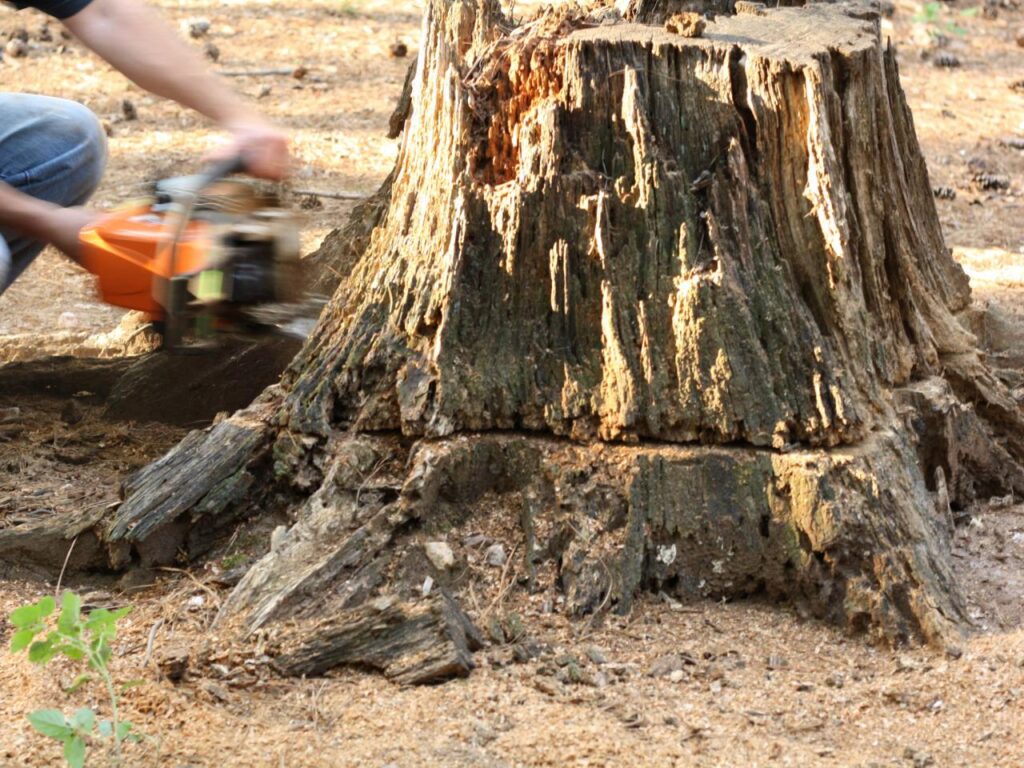
What are the common methods for removing tree roots after cutting down a tree?
Common root removal options include stump grinding (removes the stump and surface roots but leaves deeper roots), full root excavation (physically removes larger roots ideal for construction or replanting), and targeted root cutting (cuts problem roots near hardscapes or utilities often combined with barriers). Professionals typically recommend a combination based on site conditions and future plans.
Is it necessary to remove roots immediately after cutting down a tree?
Generally, yes. Removing roots soon after tree cutting simplifies the project since the site is already prepared for tree work. Early removal prevents regrowth, settling issues, pest infestations, and helps restore the yard faster for reseeding or landscaping. However, soil conditions and proximity to utilities should be considered before proceeding.
How do I know if root removal is worth the investment for my property?
Root removal is usually worth it if you want to avoid unexpected problems later. It helps prevent costly repairs, repeated sprout management, and facilitates smoother future landscaping or construction. As a rule of thumb, if the tree was close to important structures like foundations, driveways, patios, or sewer lines, removing the stump and managing roots is a safer long-term choice.
Leave a Reply